
There’s no bad time to visit Cairns, but there is a right time, and it depends entirely on what you want from your trip. Cairns sits in the wet tropics, which means the weather here doesn’t follow the four-season model most Australians and international visitors are used to. Instead, there are two distinct seasons: a dry season that draws the biggest crowds, and a wet season that’s wetter and more dramatic than many visitors expect, but also deeply rewarding. Understanding the difference is the single most useful thing you can do when planning your trip.
The Two Seasons: Dry vs Wet
Everything in Cairns comes back to this distinction.
Dry Season: May to October
The dry season is Cairns at its most visitor-friendly. Humidity drops, temperatures sit in a comfortable range, and the rain largely disappears for months at a time. This is peak tourist season for good reason.
Key conditions:
- Temperatures: 17–26°C, occasionally warmer in October
- Humidity: Low to moderate. Mornings are cool, afternoons are warm.
- Rainfall: Minimal; occasional brief showers possible but rare
- Ocean conditions: Calmer seas and better visibility on reef trips
- Stingers: Low risk, particularly June to September
The dry season is the safest, most comfortable, and most accessible time to visit. Reef visibility is typically at its best from June to September, making this the prime window for snorkelling and diving. It’s also the best time for outdoor activities, rainforest walks, and wildlife spotting: the trails are dry, the rivers are clear, and the heat is manageable.
The trade-off is crowds and cost. Accommodation prices are higher from June to August, tour availability fills faster, and popular sites including Mossman Gorge, Cape Tribulation, and the outer reef pontoons see their busiest periods.
Wet Season: November to April
The wet season surprises visitors who haven’t experienced it. It’s not a constant downpour. Most days still have sunshine, but the rain, when it comes, comes heavily. Afternoon and evening thunderstorms are common from December through February, and extended rain events are possible during peak wet months.
Key conditions:
- Temperatures: 23–32°C, with high humidity
- Rainfall: Significant; January and February are the wettest months
- Ocean conditions: Can be rougher on some days; visibility varies
- Stingers: Box jellyfish and Irukandji are active in near-shore waters from November to May. Swimming at beaches requires a stinger suit.
The wet season has real advantages that often go unmentioned. The rainforest is extraordinarily lush, waterfalls are at full flow, and the Atherton Tablelands are at their most photogenic. Tour prices and accommodation rates drop noticeably, and popular sites feel less crowded. Reef trips still run throughout the wet season, and outer reef conditions are often unaffected by coastal rain.
The main practical concern is road conditions: the road to Cape Tribulation can occasionally close during heavy rain periods, and some Atherton Tablelands roads require care after flooding.
Monthly Breakdown
| Month | Season | Temp Range | Rain Level | Stingers | Reef Conditions |
| January | Wet | 24–31°C | Very high | Active | Variable |
| February | Wet | 24–31°C | Very high | Active | Variable |
| March | Wet | 23–30°C | High | Active | Variable |
| April | Transitional | 22–29°C | Moderate | Tapering | Improving |
| May | Dry | 19–27°C | Low | Low risk | Good |
| June | Dry | 17–25°C | Very low | Very low | Excellent |
| July | Dry | 17–25°C | Very low | Very low | Excellent |
| August | Dry | 18–26°C | Very low | Very low | Excellent |
| September | Dry | 19–27°C | Very low | Low | Excellent |
| October | Dry | 21–29°C | Low | Low | Very good |
| November | Transitional | 23–30°C | Increasing | Emerging | Good |
| December | Wet | 24–31°C | High | Active | Variable |
Best Time for Specific Activities
Great Barrier Reef Snorkelling and Diving
The dry season, June to October, offers the best combination of calm seas, clear visibility, and comfortable temperatures. Reef conditions are consistently strong during this window, and most operators run full schedules with reliable departures.
The wet season doesn’t shut down reef access. Outer reef sites are often unaffected by coastal weather, but visibility can vary, and some days see rougher conditions on the crossing. If the reef is your primary reason for visiting, aim for June to September. If you’re still deciding whether to base yourself in Cairns or Port Douglas for reef access, our Cairns vs Port Douglas guide covers how the reef experience differs from each base.

Stinger Season
Stinger season is one of the most important practical considerations for planning a Cairns trip. Box jellyfish and Irukandji are present in near-shore coastal waters from November through to May, and swimming at beaches without a stinger suit during this period carries real risk.
The key points to understand:
- Stingers affect near-shore beaches and estuaries, not the outer reef
- Reef tours provide stinger suits, and outer reef snorkelling remains safe year-round
- Patrolled beaches install stinger nets during peak season, but not all beaches are covered
- The Esplanade lagoon in Cairns is stinger-safe year-round as it is a closed, filtered facility
Understanding stinger season is particularly important if you’re planning any beach swimming beyond the Cairns lagoon. It’s also worth knowing that the Daintree River is crocodile habitat year-round. Our Daintree River cruise guide explains what to expect and how guided cruises manage wildlife safely.
Daintree Rainforest and Cape Tribulation
The Daintree is accessible year-round, but the two seasons offer very different experiences.
- Dry season: Comfortable walking conditions, clear roads, reliable access to Cape Tribulation and Mossman Gorge
- Wet season: Lush, dramatic rainforest; waterfalls running at full volume; fewer crowds. Road closures are possible after heavy rain.
For most visitors on a day tour from Cairns, the dry season is more practical. For travellers who want to experience the rainforest at its most alive and don’t mind adapting to conditions, the shoulder periods of April to May and October to November offer a compelling middle ground. Our Cape Tribulation beach guide covers what to expect at the end of the road north, including seasonal swimming conditions and what changes between dry and wet.
Atherton Tablelands
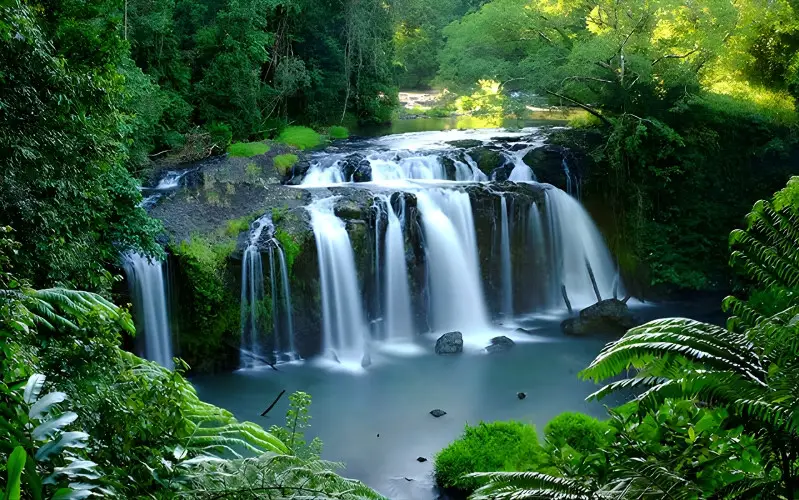
Image credit: Tourism Tropical North Queensland
The Tablelands are at their most spectacular during and just after the wet season. Millaa Millaa Falls, Zillie Falls, and Ellinjaa Falls are all significantly more impressive from December through April when rainfall is at its peak. If waterfalls are a priority, visiting in February or March (despite the heat and Credithumidity) gives you the best show.
During the dry season, the Tablelands offer pleasant temperatures and reliable road conditions, making them well-suited to a full-day tour combining waterfalls, crater lakes, and local produce stops.
Shoulder Seasons: The Sweet Spot
If you want the benefits of both seasons without the peak-season prices or the peak-wet-season intensity, the shoulder periods are worth considering.
April to May is increasingly popular. The wet season is winding down, temperatures are still warm, humidity is easing, and prices haven’t yet climbed to peak dry-season rates. The rainforest is lush from recent rain, and waterfalls are still running well. It’s also a good window for the Daintree. Our self-drive vs guided Daintree tour guide is worth reading before you decide how to approach it.
October to November offers something similar in reverse. The dry season is tapering off, but conditions are still comfortable and stinger risk is low in October. November brings the first warmth of summer and the beginning of the build-up.
When Is the Busiest Time?
Peak season runs from June to August, when school holidays, international visitors, and perfect weather all converge. Accommodation in central Cairns books out weeks in advance during July, and popular reef tours can fill days ahead. If you’re visiting in peak season, book early.
The quietest period is January and February, when the wet season is at its most intense. Prices are at their lowest, but weather unpredictability is at its highest.
Quick Reference: Best Time by Priority
| Priority | Best Months |
| Reef snorkelling and diving | June to September |
| Waterfalls and rainforest scenery | January to March |
| Avoiding stingers at beaches | June to October |
| Best value accommodation | January to April |
| Avoiding peak crowds | April to May, September to October |
| Overall comfort and reliability | June to August |
Ready to Start Planning?
The best time to visit Cairns depends on what you’re chasing: peak reef conditions, dramatic rainforest scenery, or the best value for your budget. For most first-time visitors, June to September hits the right balance across all categories.
Browse the full range of Cairns tours and experiences to start planning your trip.
